
"Honey place"
5000 article(s) found
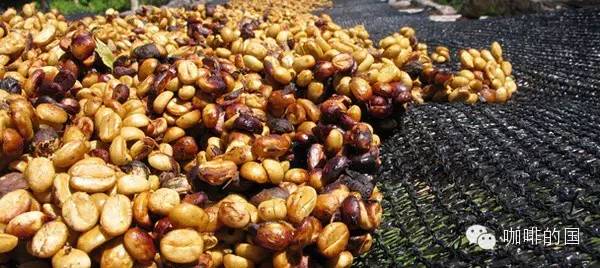
How to choose coffee beans Costa Rica Central Valley Fire Phoenix Manor red honey processing SHB grade coffee
Located in the fertile hills of the Poas Volcanic Valley in Central Costa Rica, the Phoenix Estate is the first producer of honey-treated and sun-cured coffee in Central and South America. It is a 100% organic coffee estate. The owner believes that organic farming is the better choice for environmental protection and family health, even if it faces many technical and organizational challenges.
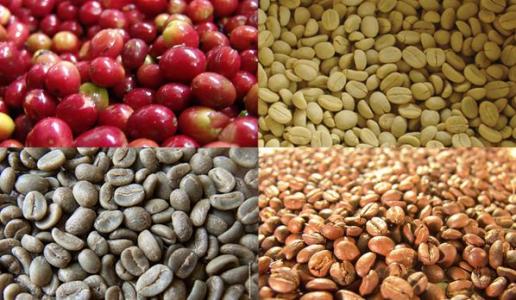
Flavor and taste of Leonardo coffee beans treated with Costa Rican black honey
Once the flavor and taste of Costa Rican black honey treated Leonardo coffee beans are fermented, the coffee with endocarp enters the flushing channel and is washed away by a large amount of water. Clean coffee with endocarp enters the drying process. At this stage, there are various drying methods: direct sun drying, combination of sun drying and machine drying, combination of shade drying and sun drying, and so on.

Introduction to the treatment of Ruoxia anaerobic Honey, the eighth place in Columbia Rose Summer COE auction
Professional coffee knowledge exchange more coffee bean information please follow the coffee workshop (Wechat official account cafe_style) 2019 COE excellent Cup the first international auction has ended at 9: 00 p.m. on May 22 (Beijing time), the first appearance for the brilliant Colombian production area at the end of last year, slightly different is that this year's Colombian production area is divided into North Columbia in May and the year.

Nicaragua Manor Bull Manor Yellow Honey Coffee hand is astringent is why, what kind of water should be used to make coffee?
Professional coffee knowledge exchange more coffee bean information please follow the coffee workshop (Wechat official account cafe_style) Nicaraguan Coffee-Manor Manor-H1 varieties Red Bull Nicaragua Gonzalo Adn Castillo Honey Manor: Las Promesas area: Dipilto varieties: H1 Haiba: 1250 m refined method: yellow honey treatment baking degree

What is the defective aroma of coffee? how to describe the aroma of coffee?
Different places of production, even different estates, the varieties of coffee will be different, so the cultivated varieties of coffee are also very diverse, of course, the taste and aroma of coffee are also varied. There are thousands of coffee species all over the world, and the more common species are as follows: Typica: bourbon species with superior aroma and mild sour taste (Bourbon)

Yega Xuefei Garse Gexi Flower fragrant Red Honey treatment hand Chong suggestion _ how to deal with Yega Honey
Professional coffee knowledge exchange more coffee bean information please follow the coffee workshop (Wechat official account cafe_style) Yega Xuefei Coffee Gosh Red Honey treatment as a widely accepted Yejia Xuefei, this coffee bean is different in its treatment-red honey treatment. After such a special treatment, the richness and mellow thickness of this coffee bean, please climb to another tall building.

Brief introduction of Fazenda Alta Vista in Gaojing Manor, Brazil innovative Flavor treatment, Flavor Honey treatment of Yellow bourbon
Professional baristas please follow the coffee workshop (official Wechat account cafe_style) Fazenda Alta Vista, located in the town of Cristina in the Carmo region of southern Brazil, where Robson Vilela bought 84 hectares of land in 2001 to start his coffee business. The first time I participated in the COE competition in 2007, I won the seventh place.

Introduction to the drying method of Red Honey Wine with Honey treated Coffee beans
Honey-treated coffee beans are washed in the sun. Choose beans: if you put the harvested fruit in the water tank, the ripe fruit will sink, while the immature and overripe fruit will float up and can be removed. two。 Drying: place the selected ripe fruits in the square and expose them to the sun for 5 or 6 days until fully dried. At this time, the fruit turns dark brown and the moisture content drops to 13%. 3. Shelling: dry

Coffee Bean Red Processing Half-day Sunning Red Honey Boutique Coffee Product Introduction
Coffee beans red treatment method half-day sun red honey boutique coffee single product introduction 1, bean selection: the harvested fruit into the tank filled with water, mature fruit will sink, and immature and overripe fruit will float up, can be removed. 2. Drying: Put the selected mature fruits on the square for 5-6 days until they are fully dried. At this point, the fruit becomes dark brown, moisture content

How to choose coffee beans? Choosing the right coffee beans? Costa Rica Fire Phoenix Estate Raw Beans
What kind of raw beans are high-quality raw beans? First look at the surface of the beans, fresh high-quality raw beans, shiny surface, in addition, processed good raw beans, uniform color, uneven color surface can not be called good beans, must choose uniform color when purchasing. Secondly, the particle size is consistent, which is also evidence of good quality management. When purchasing, confirm whether the particle size is consistent

A brief introduction to the flavor description of Leonardo coffee beans treated with Costa Rican black honey
A brief introduction to the characteristics of Costa Rican black honey in the treatment of Leonardo coffee beans. Another method for the treatment of coffee berries is semi-washing. This method is developed on the basis of washing. The first step is the same as washing. When the fruit turns red, it is picked and put into the pool. The immature fruit floats and the ripe coffee fruit sinks. In this way

A blockbuster Manor-Farami Farm Development History of Faramy Manor Tarazu, Costa Rica
Exchange of professional baristas Please follow the Coffee Workshop (Wechat official account cafe_style) A blockbuster Manor Faramy Manor was built in 1983, initially selling only coffee berries to the Dota Cooperative (Duota) after 27 years of planting experience, when everything is ready to buy honey processing equipment in 2010, deal with the berries themselves, and then take the lead in the competition! Participate for the first time

Introduction to the Natural washing and Solar treatment of White Honey treated with Coffee Bean Red Wine
Honey treatment Today, honey treatment is used in almost all the producing areas of Costa Rica. This method is also widely spread throughout Central America. Because the surface mucosa of coffee beans is extremely sticky and smooth and the sugar content is extremely high, it is often called honey. In the process of honey treatment, coffee will leave some or all of the honey when it is dried. After picking, grading and peeling, the coffee fruit will be placed.

Description of different flavors of coffee beans treated with water and sun honey
Taste difference of coffee beans treated with water and sun honey description coffee beans are also wrapped in the pericarp with a moisture content of 50%, which must be dried to reduce the moisture content to 12%, otherwise they will continue to be mellow, moldy and rotten. The better treatment is to use sunlight to dry, although it will take 1-3 weeks, but the flavor is very good and very popular. In addition, machines are used in some places

Fragrant, pure Salvadoran black honey treated coffee beans flavor description manor taste variety characteristics
Flavor description of coffee beans treated with El Salvador black honey the characteristics of manor taste varieties are introduced that Pacamara varieties are artificially cultivated varieties of Pacas and Maragogipe. It was first cultivated by researchers in El Salvador in 1958. Pacamara is a rare excellent variety under artificial breeding, which is better than blue, which perfectly inherits the advantages of the mother plant, and has the excellent mouth of Pacas species.

Treatment of dry fermented honey by small farmers in Torres, Colombia
Colombian Torres small farmer batch dry fermented honey from Colombian coffee farmer Ricardo? Ricardo Torres's honey-treated coffee beans are part of his community crop program at Palm Tree and Big Bird Manor. After picking and screening the coffee cherries, rest for several hours to pre-ferment, then remove the peel, and then place in

Introduction to Esmeralda Manor in Panama Rosa Coffee Manor treated with Honey
Dry incense can be said to be the most charming place of this bean. After grinding, you can obviously feel a kind of elegant floral fragrance, fresh and elegant, but it is not like Yega Xuefei's floral fragrance rising all the time, but a feeling of eloquence. In addition, there is obvious honey sweet fragrance, the overall dry fragrance is low and melodious, the honey sweet fragrance is more prominent after water injection, and the entrance of the coffee is very gently sour across the mouth.
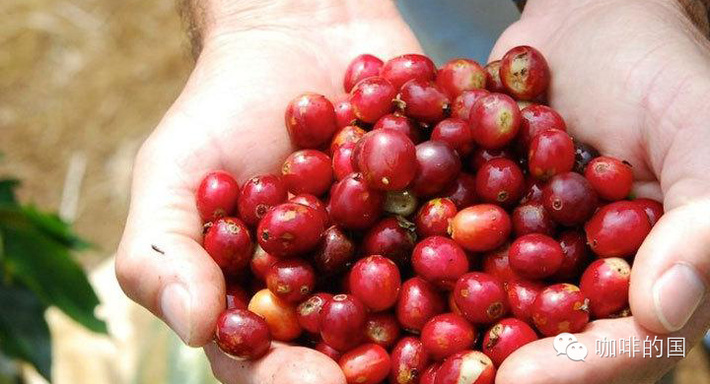
China Coffee Network recommends Costa Rica Fenghuang Manor Red Honey to treat SHB Coffee cooked beans
Costa Rican Coffee Editor Costa Rican Coffee is produced in the Republic of Costa Rica (The Republic of Costa Rica) in the south of Central America. Its quality is similar to that of Colombian coffee and is suitable for blending mixed coffee. The coffee beans produced at the high latitudes of Costa Rica are famous in the world, full-bodied, mild in taste, but extremely sour.

The difference between honey treatment and sun treatment, Black Honey at La Jas Manor in the Central Valley of Costa Rica
For professional baristas, please follow the coffee workshop (official Wechat account cafe_style) Black Honey Costa Rica Finca las lajas flavor of La Jas Manor in the Central Valley of Costa Rica: sweetness, syrup, fruit aroma, cherries (also understood as sour apples), strawberries characterized by heavy fermentation, thick and thick texture, shallow roasting with fermented grapes and some strawberries

Flavor description of coffee beans treated with El Salvador black honey introduction of varieties in taste producing areas
Flavor description of Salvadoran black honey treated coffee beans variety introduction: balanced taste, good texture suggested baking method: medium to deep, there are many uses of quality beans: El SHB taste characteristics: sour, bitter, sweet mild and moderate. Salvadoran coffee, along with Mexico and Guatemala, is a producer of Asa and Merdo, and is working with